

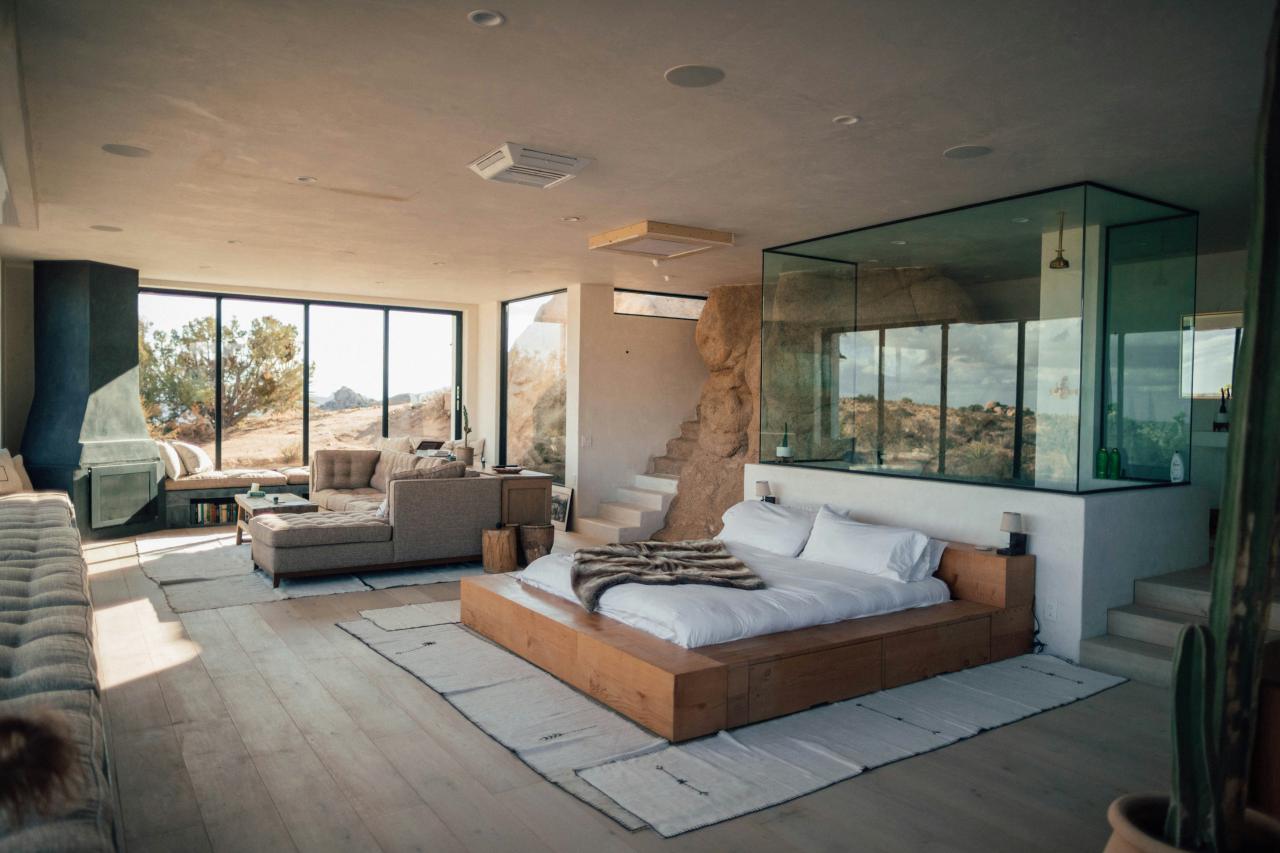
The art of travel has evolved significantly with the digital revolution, turning the quest for luxury lodging into a sophisticated game of strategy and timing. Securing a premium suite at a fraction of the standard rate is no longer a matter of pure luck or having deep pockets. It requires an intimate understanding of how the hospitality industry manages its inventory and price fluctuations across various platforms. Travelers who master these hidden mechanics can enjoy five-star experiences while maintaining a budget that others might spend on modest three-star motels. The modern booking landscape is a complex web of loyalty programs, dynamic pricing algorithms, and “hidden” inventory that never reaches the public eye.
By peeling back the layers of these corporate systems, you can position yourself as a high-value guest worthy of the best upgrades. Whether you are planning a romantic honeymoon or a high-stakes business trip, the strategies outlined here will transform your approach to reservations. This guide is designed to take you behind the front desk and into the minds of revenue managers to unlock unprecedented value. Prepare to elevate your travel lifestyle as we dive deep into the expert tactics for scoring the world’s most prestigious accommodations.
The Psychology of Dynamic Pricing and Timing

Understanding when to click the “book” button is the most fundamental step in your journey toward luxury at a discount. Hotels use automated software to change their rates hundreds of times a day based on local events, weather, and competitor occupancy. This constant fluctuation creates windows of opportunity for the patient and observant traveler who knows how to spot an outlier. By tracking these trends, you can identify the exact moment when a hotel is desperate to fill its rooms and lowers its barrier to entry.
A. The Sweet Spot of Reservation Windows
Contrary to popular belief, booking a year in advance is rarely the best way to save money on premium rooms. Most luxury properties release their most aggressive discounts between twenty-one and forty days before the check-in date. This is the period when they realize their premium inventory might go unsold and start dropping prices to attract last-minute high-end travelers.
B. Day-of-the-Week Variations
Business-centric luxury hotels often have massive price drops during the weekend when corporate travelers return home. Conversely, resort-style properties are much cheaper on Tuesdays and Wednesdays when the weekend crowds have dissipated. Aligning your travel schedule with these “low-demand” days can result in savings of up to fifty percent on the exact same room.
C. Seasonal Inverse Booking Strategies
Booking a luxury ski resort in the middle of summer or a tropical villa during the shoulder season offers access to elite facilities at baseline costs. While the weather might not be “perfect,” the level of service is usually much higher because the staff is not overwhelmed by crowds. You get the full attention of the concierge and the best table at every on-site restaurant without the usual struggle.
Exploiting Loyalty Programs and Elite Status
The most powerful weapon in an expert traveler’s arsenal is the strategic use of loyalty tiers and membership benefits. Hotels are willing to give away their best rooms to people they believe will return frequently or recommend the brand to others. You do not always have to stay fifty nights a year to reach these elite levels; there are many shortcuts through credit card partnerships and status matching. Once you have a high-tier status, the hotel’s computer system automatically flags you for the best available room upon arrival.
A. Credit Card Status Shortcuts
Many premium travel credit cards offer automatic gold or platinum status at major hotel chains just for holding the card. This instantly grants you benefits like free breakfast, late checkout, and, most importantly, space-available room upgrades. The value of these perks often far exceeds the annual fee of the card itself if you travel at least twice a year.
B. The Art of the Status Match
If you have high status with one hotel chain, you can often ask a competitor to “match” it to win your business for a specific trip. This allows you to jump the line and enjoy elite benefits at a brand you have never stayed with before. It is a highly effective way to test out a new luxury property while being treated like a long-term VIP.
C. Points Valuation and Redemption Hacks
Earning points is easy, but spending them wisely is where the real experts shine. Certain high-end properties offer a fixed “points price” that remains the same even when the cash price skyrockets during peak events. Redempting points for a five-star hotel during a major city festival can result in a value of several cents per point, which is an incredible return on investment.
The Hidden World of Direct Communication
In an age of automated apps, the personal touch of a direct email or phone call remains a game-changer for securing premium rooms. Online travel agencies (OTAs) charge hotels significant commissions, often ranging from fifteen to twenty-five percent. When you bypass these platforms and speak directly to the hotel, they have more financial “room” to offer you a better deal or an upgrade. Building a relationship with the on-site management team can open doors that are permanently closed to the general public.
A. The Pre-Arrival “Inquiry” Email
Sending a polite, personalized email to the front desk manager a few days before arrival can work wonders. Mention if you are celebrating a special occasion and state how much you are looking forward to experiencing their specific brand of hospitality. This human connection often leads to the manager manually assigning you a better room or placing a welcome amenity in your suite.
B. Negotiating Upgrades at Check-In
If you arrive and see that the hotel is not at full capacity, do not be afraid to ask about paid or complimentary upgrades. Sometimes, a small “upgrade fee” of fifty dollars can move you from a standard room to a suite that normally costs five hundred dollars more. The front desk staff has the authority to fill these empty suites at their discretion, especially for guests who are polite and professional.
C. Direct Booking Price Matching
Most luxury hotels have a “Best Rate Guarantee” where they will match any price you find on a third-party website and often give you an additional discount. By booking direct, you ensure that your reservation is the highest priority for the hotel’s staff. In the event of an overbooking, those who booked through a discount site are always the first to be moved to a different hotel.
Utilizing Boutique and Independent Collections
While global chains offer consistency, independent luxury boutique hotels often provide the most unique and high-value experiences. These properties are not beholden to corporate rigidities and have more freedom to create “experiential” packages for their guests. Many independent hotels belong to “collections” that offer their own set of elite perks without requiring a traditional loyalty program. Exploring these unique properties can lead to discovering hidden gems that offer far more character than a standard corporate suite.
A. Consortium Booking Benefits
Booking through a travel advisor who belongs to a luxury consortium can grant you “VIP” status automatically. These bookings usually come with guaranteed perks like hundred-dollar resort credits, room upgrades, and early check-in. The price is usually the same as the standard flexible rate, but the added value makes it a vastly superior deal.
B. Soft Brand Collections
Many independent hotels are now part of “soft brands” associated with major chains, allowing you to use your points while staying at a unique property. This gives you the best of both worlds: the charm of a boutique hotel and the security of a global loyalty system. It is one of the most effective ways to spend your points on something truly memorable rather than a cookie-cutter hotel room.
C. The Luxury Hostel and Posh-tel Trend
A new category of “premium” budget accommodations is emerging that offers private suites and high-end design at a fraction of hotel prices. These properties are designed for the modern nomad who wants a social atmosphere but refuses to sacrifice comfort and style. They are often located in the heart of expensive cities, providing a “premium” location for a “budget” price.
Navigating the “Hidden” Inventory
Hotels do not always list every room they have on the major booking websites, especially their most expensive and exclusive suites. These “unlisted” rooms are often held back for VIPs, celebrities, or guests who book through specialized luxury channels. If you only look at the standard search results, you might be missing out on the best room in the house. Accessing this inventory requires knowing where to look and who to ask.
A. Using Specialized Luxury Portals
There are websites and apps that cater specifically to the “ultra-luxury” market, offering rooms that are not found on mass-market sites. These portals often have exclusive contracts with hotels to sell off their top-tier suites during quiet periods. While the prices are still high, the discounts relative to the retail price are often staggering.
B. Checking for “Ghost” Availability
Sometimes a hotel will appear “sold out” on a big-name travel site when they actually have rooms available on their own website. This happens because the hotel has a “contracted limit” on how many rooms they provide to third parties. Always double-check the hotel’s official site before giving up on a property that looks full.
C. Wholesale and opaque Booking Sites
Some sites sell “blind” luxury rooms where you see the neighborhood and the star rating but not the hotel name until after you pay. For the adventurous traveler, this is a fantastic way to land a five-star hotel at a three-star price. Since luxury hotels don’t want to publicly advertise low prices and damage their brand image, they use these sites to clear inventory discreetly.
Enhancing the Guest Profile for Future Upgrades
Every time you stay at a luxury hotel, your behavior is recorded in a “guest profile” that is shared across the entire brand’s global network. Being a “good guest”—one who doesn’t cause trouble, spends money at the hotel bar, and leaves positive reviews—makes you a high-value asset. Over time, this profile becomes your most valuable credential for receiving future favors and upgrades. The hospitality world is surprisingly small, and a glowing reputation can follow you across continents.
A. The Impact of the On-Site Spend
If the hotel sees that you frequently use their spa, dining, and laundry services, they are much more likely to upgrade you on your next visit. They are willing to give you a better room for free because they know you will spend money in other areas of the hotel. High-margin guests are always prioritized during the daily room assignment process.
B. Leveraging Feedback and Social Media
Posting a high-quality photo of your room on social media and tagging the hotel can catch the eye of their marketing team. Hotels are desperate for authentic “user-generated content” and will often reward influential or appreciative guests with better treatment. A thoughtful, constructive review on a major travel site also builds your “authority” as a traveler in their eyes.
C. Consistency with a Single Brand
While it is fun to try different hotels, sticking with one brand for a year can lead to “lifetime” benefits. Once you reach the highest tier of a program, the hotel staff will often go above and beyond to ensure you never switch to a competitor. This can include personalized amenities in your room, like your favorite bottle of wine or a specific type of pillow you requested once.
Leveraging Canceled and Distressed Inventory
The “distressed inventory” market is where some of the biggest bargains in the luxury world are found. This refers to rooms that have been canceled at the last minute or periods where a major event was canceled, leaving the hotel with hundreds of empty rooms. There are specialized platforms and techniques for finding these “fire sale” situations. It requires a high degree of flexibility, but the rewards are often the most impressive suites at the hotel.
A. Last-Minute Cancellation Apps
There are specific apps that focus solely on selling rooms for the “tonight” or “tomorrow” window at massive discounts. These apps are the primary tool for luxury hotels to fill their empty beds without devaluing their brand on their own websites. It is a perfect strategy for a spontaneous weekend getaway to a nearby city.
B. The “Wait and See” Strategy for Big Events
Sometimes, people book up all the luxury rooms for a major sporting event or festival months in advance, only to cancel them as the date approaches. If you monitor the availability in the forty-eight hours before a big event, you will often see “sold out” hotels suddenly show premium openings. This is because “blocks” of rooms held by sponsors or travel agencies are released back to the general public.
C. Bidding on Unused Reservations
There are now marketplaces where people who cannot use their non-refundable hotel bookings sell them to others at a deep discount. This allows the original buyer to recoup some of their money and gives you access to a premium room at a fraction of the cost. It is a win-win scenario that is becoming increasingly popular in the luxury travel community.
Maximizing the Value of the Concierge and Staff
The concierge is the most underutilized resource in a luxury hotel, often seen as just a person who gives directions. In reality, a great concierge is a master of local connections and can help you “hack” your stay in ways you never imagined. They can get you into fully-booked restaurants, find you private tours, and even help you secure a better room if you are unhappy with your current one. Developing a rapport with the concierge can turn a good trip into a legendary one.
A. The Importance of the Pre-Arrival Call to the Concierge
Call the concierge a week before you arrive to ask for their advice on local hidden gems. This shows them that you are a discerning traveler who values their expertise, rather than someone just looking for the nearest tourist trap. They will appreciate the professional respect and will be more likely to look out for your interests during your stay.
B. Tipping and Showing Appreciation
While luxury hotels have high service standards, a small tip and a genuine “thank you” go a long way in a high-stress industry. Staff members are more likely to go the extra mile for guests who treat them with kindness and respect. This might manifest as a surprise dessert in your room or a complimentary late checkout on your final day.
C. Utilizing the Concierge for “Impossible” Requests
If you need a specific item or a reservation that seems impossible to get, the concierge is your best bet. They have relationships with local business owners that the internet simply cannot replicate. Their goal is to make the impossible happen for their guests, and they take great pride in their ability to solve complex problems.
Understanding Room Categories and Layouts
Not all “Standard” or “Premium” rooms are created equal, even within the same hotel. Every building has “corner rooms” or “end-of-hallway” units that are significantly larger than the others in the same category. Knowing the physical layout of the building allows you to request these specific rooms without paying for an actual suite upgrade. This is the ultimate “insider” secret that requires a bit of research but pays off every single time.
A. The “Secret” Corner Room Upgrade
Corner rooms usually have windows on two sides, providing more natural light and better views of the city. Because of the way buildings are constructed, these rooms are also often ten to fifteen percent larger than the middle rooms. Simply requesting a “high-floor corner room” during check-in can significantly improve your living space for free.
B. Renovated vs. Original Wings
Large historical hotels often have different “wings” that have been renovated at different times. Asking for a room in the “newly renovated wing” ensures that you get the latest amenities and the most modern design. Conversely, if you prefer a classic aesthetic, you might request the “historic wing” which often has higher ceilings and more architectural character.
C. Accessibility and Adjoining Room Logic
Sometimes, requesting a room that is “ADA compliant” or has an adjoining door can lead to a larger bathroom or a unique layout. While you should never take a room away from someone who needs it for medical reasons, hotels often have many of these rooms sitting empty. If the hotel is nearly full, they might move you into one of these “special” rooms which are often surprisingly spacious.
Conclusion

The world of premium travel is more accessible than most people realize. Success requires a mix of technical knowledge and interpersonal skills. You must be willing to do the research that others are too lazy to perform. Loyalty is a currency that can be earned through both stays and smart financial products. Direct communication remains the most effective way to build rapport with hotel management. Timing your bookings with market fluctuations is the key to massive financial savings.
Every hotel stay is an opportunity to improve your standing in the global guest network. Respect and kindness toward the staff will always yield better results than entitlement. The goal is to experience the best the world has to offer without overextending your resources. True luxury is found by those who know exactly where to look and when to act.

