The landscape of the modern hospitality industry has shifted dramatically from providing a mere place to sleep to delivering a deeply emotional and curated experience. In a world where travelers have endless options at their fingertips, the ability to stand out lies in how well a property understands and anticipates the individual needs of its guests. Personalization is no longer just a luxury reserved for five-star resorts; it has become the standard expectation for anyone looking to spend their hard-earned money on a getaway.
When a hotel successfully tailors its services to a guest’s specific preferences, it builds a level of brand loyalty that traditional marketing simply cannot buy. This connection leads to higher direct booking rates, increased on-site spending, and a flurry of positive organic reviews that drive future demand. By integrating smart data collection with genuine human warmth, hotels can unlock significant revenue streams that were previously hidden. Transitioning to a personalized model requires a strategic rethink of every touchpoint, from the initial digital booking process to the final farewell at the lobby door.
This comprehensive guide will explore how modern properties are using personalization to revolutionize their financial performance and guest satisfaction scores simultaneously. We will delve into the technical tools, the staff training requirements, and the creative service strategies that turn a standard stay into an unforgettable memory.
The Psychology of Personalization in Hospitality
Understanding why guests value personalized service is the first step toward implementing it effectively. It taps into the fundamental human desire to be recognized and valued as an individual rather than a room number.
A. Creating an Emotional Connection with the Brand
When a guest enters a room to find their favorite snack or a pillow type they requested previously, it triggers a positive emotional response. This small gesture signals that the hotel has listened to them, fostering a sense of belonging and trust.
B. Reducing Friction During the Guest Journey
Personalization simplifies the travel experience by removing unnecessary hurdles. If the system remembers a guest’s payment preferences or dietary restrictions, the guest spends less time explaining and more time enjoying.
C. Increasing Perceived Value and Price Elasticity
Guests are often willing to pay a premium for an experience that feels custom-made for them. By providing unique value, the property can maintain higher rates even during competitive market fluctuations.
Data-Driven Insights for Individualized Experiences
To personalize effectively, a hotel must become an expert at gathering and utilizing guest data without being intrusive. This involves a blend of digital tracking and observant physical service.
A. Leveraging Advanced Property Management Systems
Modern systems allow staff to record minute details, such as a guest’s preferred room temperature or their interest in local art. This data becomes the blueprint for every future interaction with that specific traveler.
B. Utilizing Pre-Arrival Surveys and Digital Profiles
Sending a short, engaging questionnaire before the guest arrives allows them to dictate their own experience. This might include choices for the in-room minibar, spa preferences, or transportation needs from the airport.
C. Social Media Listening and Public Preferences
Observing what guests share on social platforms can provide clues about their hobbies and interests. If a guest is a known coffee enthusiast, providing a premium pour-over kit in the room shows incredible attention to detail.
Revenue Growth Through Upselling and Cross-Selling
Personalization is a powerful engine for increasing the total spend per guest. When an offer feels relevant to a person’s current situation, they are much more likely to accept it.
A. Targeted Room Upgrades Based on Occasion
If a guest is celebrating an anniversary, offering a suite upgrade with a romantic setup is far more effective than a generic pitch. This targeted approach increases the conversion rate of high-tier inventory.
B. Curating Bespoke Dining and Beverage Experiences
Instead of a standard menu, offering a private chef experience based on the guest’s favorite cuisine can drive significant food and beverage revenue. Tailoring wine pairings to a guest’s specific palate also encourages higher-end bottle sales.
C. Activity and Wellness Packages for Specific Demographics
A business traveler might appreciate a late-night spa session or an express healthy breakfast. Conversely, a family would be more interested in organized local tours or child-friendly amenities.
Enhancing Loyalty Through Post-Stay Engagement
The relationship with the guest should not end when they check out. Maintaining a personalized connection after the stay ensures that your property is the first choice for their next trip.
A. Personalized Thank You Notes and Surveys
Moving away from automated templates to personalized emails makes a guest feel like their specific feedback was heard. Mentioning a specific moment from their stay can leave a lasting positive impression.
B. Customized Loyalty Rewards and Incentives
Instead of generic points, offer rewards that align with how the guest spent their time. A frequent spa visitor would value a complimentary massage more than a discount at the bar they never visited.
C. Anniversary and Birthday Outreach Programs
Remembering a guest’s special dates and offering a tailored “welcome back” package creates a cycle of repeat business. This proactive approach keeps the brand at the top of their mind throughout the year.
Training Staff for Intuitive Service Delivery
No amount of technology can replace the impact of a well-trained staff member who knows how to read a guest’s body language. Human intuition is the ultimate tool for high-end personalization.
A. Empowering Employees to Make Independent Decisions
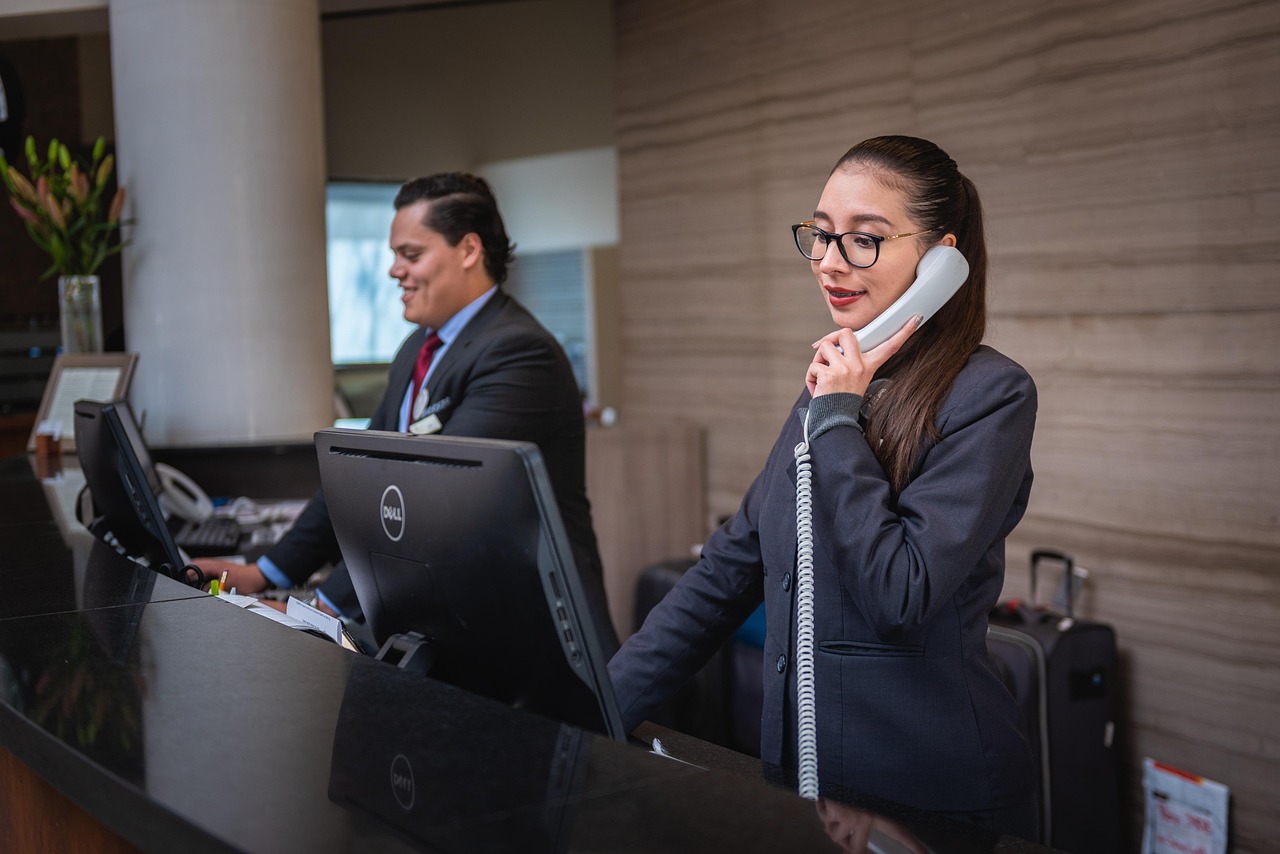
Give your team a small “surprise and delight” budget to use at their discretion. If a front-desk agent notices a guest is tired from a long flight, they should have the power to offer a complimentary coffee or room service.
B. Active Listening and Observation Skills
Train staff to pick up on subtle cues during conversation. If a guest mentions they are in town for a marathon, the housekeeping team can leave extra hydration and towels without being asked.
C. The Art of Non-Intrusive Engagement
Personalization should feel seamless and natural, not forced or creepy. Staff must learn the balance of being available and attentive without hovering or interrupting the guest’s privacy.
The Role of Smart Room Technology
The “Internet of Things” (IoT) has opened up new ways to personalize the physical environment of the hotel room. Technology allows the room to adapt to the guest before they even touch a switch.
A. Customizable Lighting and Climate Presets
Allowing guests to save their preferred lighting “scenes” or temperature settings across multiple stays provides a sense of continuity. Returning to a room that feels exactly like you left it is a powerful comfort.
B. Personalized Streaming and Media Content
Integrating the guest’s own streaming accounts into the in-room television allows them to continue their favorite shows. This makes the hotel room feel like a personal sanctuary rather than a generic space.
C. Digital Concierge and Voice-Activated Services
Using voice assistants to order extra towels or book a taxi provides a modern, hands-free experience. These devices can be programmed to respond in the guest’s native language for extra comfort.
Sustainable and Ethical Personalization
Modern guests, especially younger demographics, care deeply about the environmental and social impact of their stay. Personalizing your sustainability efforts can be a major draw.
A. Preference-Based Housekeeping Schedules
Giving guests the option to opt-out of daily linen changes in exchange for a small credit reduces costs and environmental impact. This empowers the guest to align their stay with their personal environmental values.
B. Sourcing Local and Personalized Welcome Amenities
Instead of mass-produced chocolates, offer a small gift from a local artisan that matches the guest’s interests. This supports the local economy and provides a unique, authentic story for the guest.
C. Digital Check-In to Reduce Paper Waste
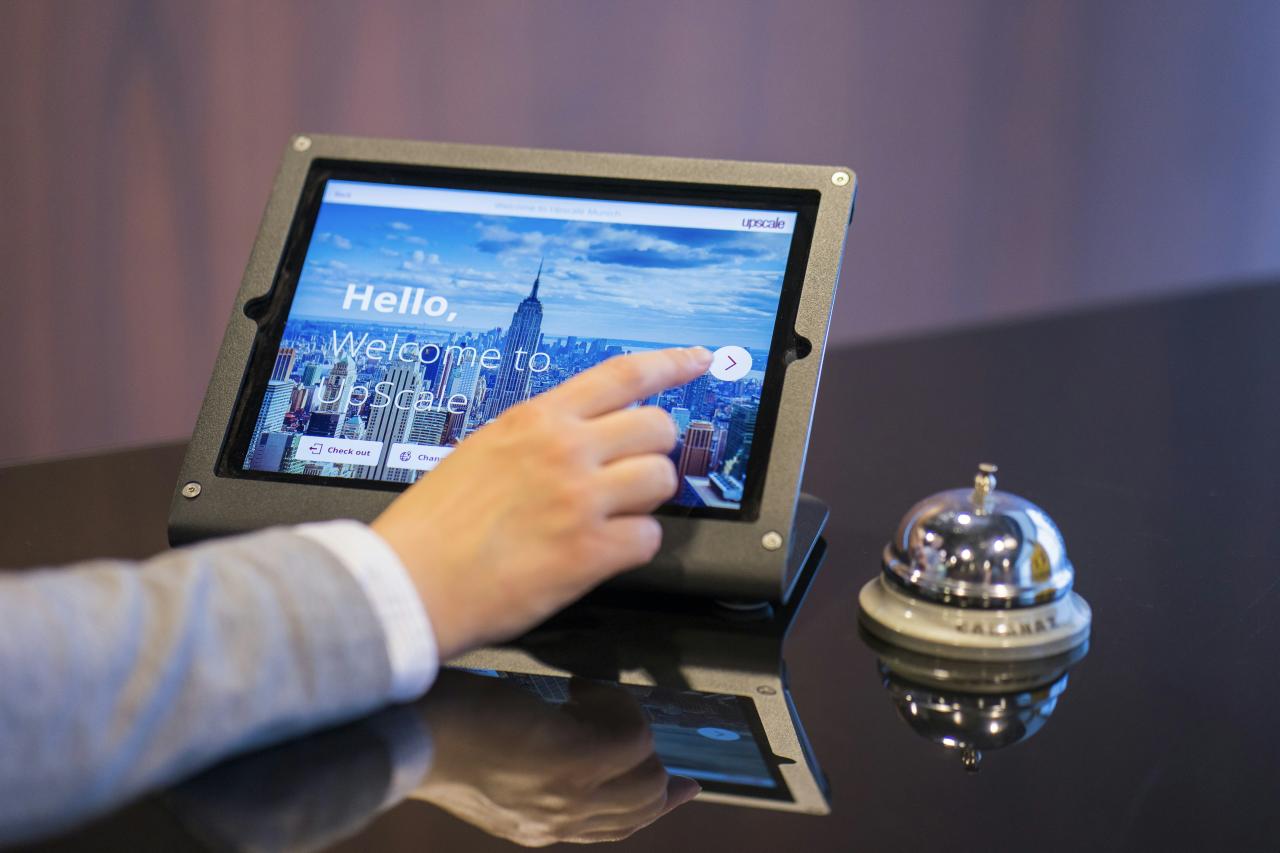
Personalizing the arrival process through a mobile app saves time and eliminates the need for paper forms. Guests appreciate the efficiency, and the hotel benefits from reduced administrative costs.
Managing the Logistics of Luxury Personalization
Delivering high-level personalized service requires a robust logistical backbone to ensure nothing falls through the cracks. Efficiency behind the scenes is what makes the front-end experience feel effortless.
A. Inter-Departmental Communication Platforms
The spa team, the restaurant, and housekeeping must all have access to the same guest profile. If a guest has an allergy, every department needs to be aware of it instantly to avoid a safety incident.
B. Pre-Arrival Room Inspections and Staging
A dedicated “guest experience manager” should inspect the room before the arrival of VIPs or repeat guests. This ensures that every specific request has been met and the room is staged perfectly.
C. Monitoring and Adjusting Service Standards
Continuously track the success of your personalization efforts through guest satisfaction scores. If a certain gesture isn’t resonating with guests, be prepared to pivot and try a different approach.
Personalization for Different Traveler Personas
Not every guest wants the same level of interaction. Tailoring your approach based on the “type” of traveler is essential for a successful experience.
A. The Efficiency-Seeker (Business Traveler)
For this guest, personalization means speed and reliability. They value a fast check-in, a pre-set desk area, and a breakfast that is ready exactly when they need it.
B. The Experience-Seeker (Leisure Traveler)
This group wants to be surprised and delighted with local insights and unique activities. They value recommendations for “hidden gems” and personalized itineraries that help them explore the destination.
C. The Luxury-Seeker (High-Net-Worth Individual)
For the ultra-luxury segment, personalization means exclusivity and privacy. They expect the staff to know their names and preferences perfectly without ever needing to be reminded.
Measuring the Return on Investment (ROI)
While personalization requires an initial investment in training and technology, the financial rewards are substantial and measurable. Tracking these metrics proves the value of the strategy.
A. Tracking Growth in Average Daily Rate (ADR)
Personalized properties can often charge more than their competitors because the value proposition is much higher. Monitor how your rate premium grows as your guest satisfaction scores improve.
B. Analyzing the Lifetime Value of the Guest (LTV)
A loyal guest who returns three times a year is far more valuable than three one-time guests. Calculate the marketing costs saved by retaining existing guests through personalized service.
C. Monitoring On-Site Revenue Per Available Room (RevPAR)
Look at how much guests spend on additional services like the spa, dining, and tours. Personalization should lead to a noticeable uptick in total spend during the stay.
Conclusion
Transforming your guest experience through personalization is the most effective way to secure long-term revenue growth. Every guest interaction provides a unique opportunity to gather insights that can be used to improve future stays. Smart technology acts as a silent partner in delivering a customized environment that adapts to individual preferences. Staff training is the soul of any personalization strategy because human connection remains the heart of hospitality.
By offering relevant and timely upsells, hotels can increase their profitability while making the guest feel valued. Maintaining a connection after the guest departs ensures that your brand remains their top choice for future travel. Sustainability and ethical choices can be personalized to meet the growing demand for responsible tourism. Efficient backend logistics are necessary to ensure that every specific guest request is executed flawlessly. Different traveler types require different levels of personalization to feel truly comfortable and satisfied.
The financial metrics clearly show that loyal guests are the most profitable segment of any hotel business. Building an emotional bond with your guests creates a powerful defense against price-driven competition. Authentic local experiences tailored to the guest provide the “wow” factor that drives positive social media buzz. The future of the hospitality industry belongs to those who can treat every guest like the only guest. Investing in these personalized strategies today will define the market leaders of the coming decades.