Introduction: Beyond the Skyscrapers of Modern Jakarta
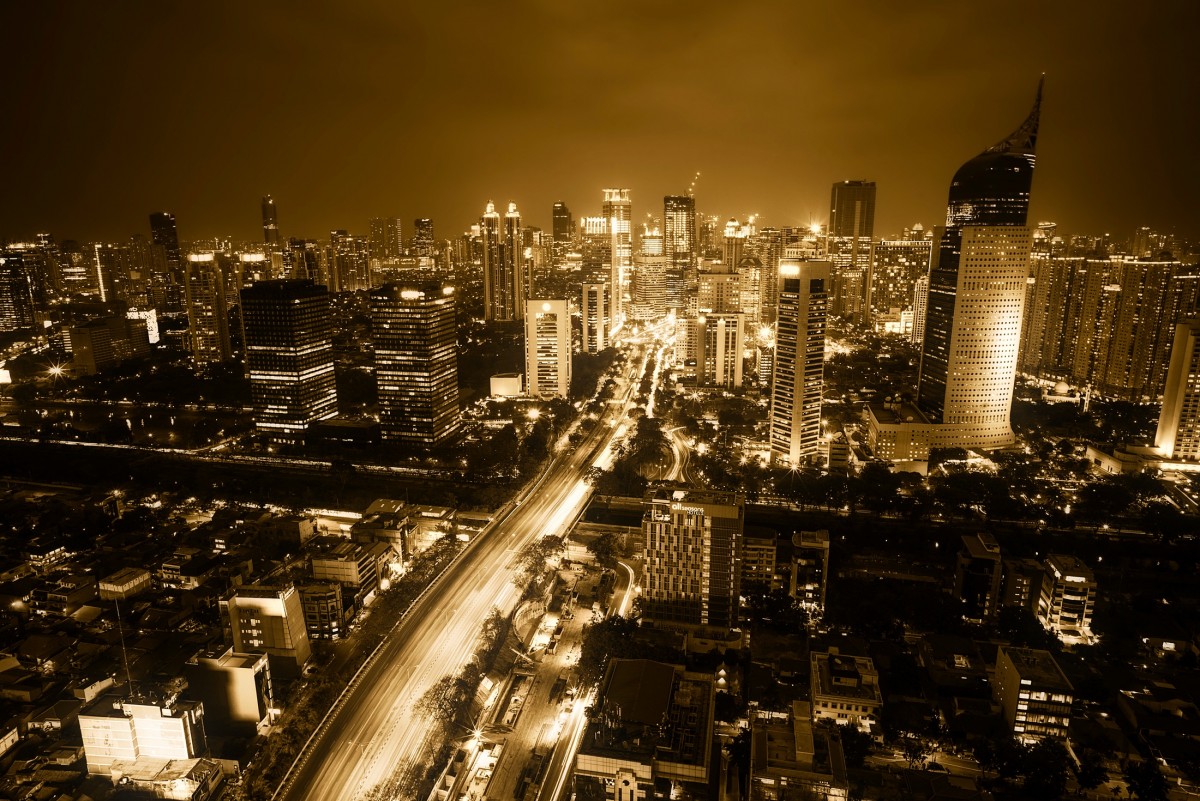
Jakarta, the sprawling and dynamic capital of Indonesia, is frequently perceived as a modern metropolis defined by its towering glass skyscrapers, endless traffic, and relentless commercial energy. While this contemporary face dominates the city’s narrative, a much deeper, more compelling history lies preserved within the ancient heart of the city, specifically in the district known as Kota Tua or Old Town. This historic area, once the vibrant trading hub of the Dutch colonial capital Batavia, serves as a tangible link to Indonesia’s complex colonial past, offering a stark and beautiful contrast to the hyper-modernity surrounding it. However, many visitors overlook the profound opportunity to fully immerse themselves in this history by choosing accommodation that actively participates in the area’s rich heritage.
A truly unforgettable stay in Kota Tua transcends merely visiting the museums and the famous Fatahillah Square; it involves sleeping within the very walls that have witnessed centuries of trade, governance, and cultural confluence. Selecting a history-themed hotel in this locale is not just about finding a place to rest; it is about choosing a historical experience, a sensory journey that transports the guest back to the Dutch East Indies era. These heritage properties meticulously restore and maintain the architectural integrity of colonial-era buildings, ensuring that every stay is steeped in the narrative of old Batavia.
The best hotels in this category are those that successfully blend authentic, preserved architecture with the expected comforts and high-quality service of modern luxury. They offer an immersive atmosphere where the sounds and sights of the past seem palpable, from high ceilings and original tiles to antique furnishings. This extensive guide is dedicated to uncovering the definitive history-themed hotels in Jakarta’s Old Town. We will explore what makes these properties unique, detail the architectural and design elements that define the colonial experience, and explain how these hotels successfully transform a simple trip into a profound, multi-day historical adventure.
1. The Immersion Factor: Why Choose History-Themed
Choosing a history-themed hotel in Kota Tua is a deliberate decision to enhance the entire travel experience. It shifts the accommodation from being a mere logistical necessity to becoming a central part of the cultural journey.
This immersion allows travelers to connect with the city’s past in a way that regular hotels cannot replicate.
A. Architectural Preservation
The primary appeal lies in Architectural Preservation. These hotels are often housed in beautifully restored buildings dating back to the 17th or 18th century, showcasing distinct Dutch colonial architecture.
Guests experience high ceilings, solid teak wood floors, elaborate tiled patios, and arched windows that define the period.
B. Sensory Historical Experience
The properties offer a Sensory Historical Experience. Walking through the hallways, dining in the historic ballrooms, and relaxing in the antique-furnished rooms provide an ambiance that actively evokes the past.
The environment itself tells a story, making the hotel a living museum rather than just a place to stay.
C. Proximity to Key Landmarks
These hotels guarantee Proximity to Key Landmarks. They are strategically located within or immediately adjacent to the Kota Tua core.
This allows guests to easily walk to Fatahillah Square, the Jakarta History Museum, and the old colonial warehouses without needing transportation.
D. Escape from Modern Chaos
Staying in the tranquil, preserved environment of Old Town offers a welcome Escape from Modern Chaos. The area provides a quieter, more reflective atmosphere compared to the bustling commercial districts of Central Jakarta.
Guests find a pocket of historical calm amidst the capital’s modern rush.
E. Unique Photo Opportunities
The stunning aesthetics provide Unique Photo Opportunities at every turn. The preserved colonial facades, vintage staircases, and antique décor are perfect backdrops for capturing memorable, historical-themed photos.
This adds a unique dimension to the travel photography collection.
2. Defining the Heritage Hotel Aesthetic
A true history-themed hotel does more than just occupy an old building; it commits to a design aesthetic that authentically reflects the era it represents. This dedication is visible in every detail, from the lobby to the guest room.
The aesthetic blends European formality with tropical Indonesian adaptation.
F. Colonial Architectural Style
The defining feature is the Colonial Architectural Style. This includes wide verandas (or stoops), symmetrical facades, towering entryways, and thick, sturdy walls designed for climate control.
The style reflects the practical and formal needs of the Dutch colonial administration.
G. Materials: Teak Wood and Terracotta
The materials used are essential: Teak Wood and Terracotta. Original or reclaimed dark teak wood is used for flooring, furniture, and window frames, providing an element of luxurious antiquity.
Terracotta or patterned ceramic tiles often cover the common areas and bathrooms, adding color and durability.
H. Antique Furnishings and Décor
The rooms feature genuine or reproduction Antique Furnishings and Décor from the colonial period. Four-poster beds, heavy carved cabinets, and period lighting fixtures are standard.
Modern conveniences are discreetly integrated to maintain the historical illusion.
I. High Ceilings and Air Circulation
A practical hallmark of tropical colonial design is High Ceilings and Air Circulation. High ceilings were vital for passively cooling the rooms before the invention of air conditioning.
These high spaces also create a feeling of grandeur and spaciousness that modern hotels often lack.
J. Preservation of Original Details
The best hotels prioritize the Preservation of Original Details. This includes meticulously restoring original window shutters, ironwork, brass fittings, and even minor wall imperfections.
These details provide authenticity and a sense of connection to the building’s long life.
3. Signature Heritage Hotels in Kota Tua (Hypothetical Examples)
While specific hotel names are kept fictional for this guide, the following examples illustrate the types of unique, history-rich experiences travelers can find in Jakarta’s Old Town.
Each represents a distinct narrative from the colonial era, offering a different way to experience Batavia’s past.
K. The Governor’s Residence Hotel
The Governor’s Residence Hotel (Hypothetical) is housed in a former administrative office of the Dutch East India Company (VOC). Its ambiance is formal and grand.
The hotel features a stately, columned entrance, vast public spaces, and original teak staircases, focusing on a high-end, classic colonial experience.
L. The Batavia Trading House Suites
The Batavia Trading House Suites (Hypothetical) occupies a restored merchant warehouse along the Ciliwung River canal. Its design is more industrial yet sophisticated.
The focus is on the maritime and trade history, with exposed brickwork, large iron doors, and high vaulted ceilings, offering a unique, loft-style aesthetic.
M. The Canal View Heritage Inn
The Canal View Heritage Inn (Hypothetical) is a smaller, boutique property emphasizing Javanese and Dutch influences. It offers intimate service and an authentic cultural blend.
The décor features batik fabrics, Javanese art integrated with European furniture, and charming views of the old canal system.
N. The Old Railway Terminus Hotel
The Old Railway Terminus Hotel (Hypothetical) is located near the historical Jakarta Kota Station, focusing on the golden age of rail travel and public transport.
Its design incorporates art deco elements, brass luggage racks, and vintage travel posters, celebrating the colonial transport network.
O. The Spice Route Manor
The Spice Route Manor (Hypothetical) is situated slightly away from the main square, focusing on the exotic trade history that defined the port city.
The hotel integrates Indonesian and Asian furnishings, reflecting the confluence of cultures brought by the lucrative spice trade.
4. Dining and Experience: Integrating History
The immersive experience of a heritage hotel extends far beyond the bedroom. The culinary offerings and on-site facilities must also reflect the historical narrative of the building and its past inhabitants.
Dining and public spaces become stages for historical storytelling.
P. Colonial-Inspired Cuisine (Rijsttafel)
The signature culinary offering is often Colonial-Inspired Cuisine, specifically the Rijsttafel (Rice Table). This elaborate Dutch-Indonesian feast features dozens of small dishes served simultaneously.
The meal is a historical experience in itself, reflecting the blend of local ingredients and Dutch presentation formality.
Q. The Grand Ballroom and Function Spaces
The Grand Ballroom and Function Spaces are preserved or restored to their original grandeur, often used for high-end events and weddings.
These spaces, with their soaring ceilings and chandeliers, offer a tangible link to the formal social life of old Batavia’s elite.
R. Traditional Afternoon Tea Service
Many hotels offer a Traditional Afternoon Tea Service, a nod to the European social customs adapted to the tropical setting.
This small ritual, often served with Indonesian snacks (kue) alongside English pastries, subtly blends the two cultures.
S. Heritage Walking Tours
The hotel often organizes Heritage Walking Tours led by expert local guides. These tours start from the hotel lobby and use the property itself as the first stop on the historical narrative.
The proximity allows guests to access the museums and key sites easily and with context.
5. Booking and Verification for the Heritage Experience
To ensure an authentic and high-quality historical stay, travelers must go beyond standard booking practices and specifically verify the property’s dedication to heritage preservation and modern comfort.
The promise of history must be matched by current service standards.
T. Scrutinizing Guest Photos and Reviews
Scrutinizing Guest Photos and Reviews is vital. Look specifically for reviews that mention the quality of the restoration, the cleanliness of the antique furnishings, and, crucially, the reliability of modern utilities like A/C and Wi-Fi.
Photos uploaded by guests will reveal the true, unfiltered condition of the heritage details.
U. Verifying the Restoration Authenticity
Travelers should Verifying the Restoration Authenticity by looking for plaques or historical documentation displayed by the hotel. Did the hotel merely renovate, or did it conduct a verified, historically accurate restoration?
A true heritage hotel will proudly document its history and preservation process.
V. Asking About Modern Comforts
It is crucial to Asking About Modern Comforts directly. While the historical feel is desired, modern expectations of high-pressure showers, silent air conditioning, and robust internet must be met.
The best heritage hotels successfully fuse the two, ensuring the past does not compromise present-day comfort.
W. Booking for Specific Room Types
Do not rely on generic booking options; Booking for Specific Room Types is key. Many heritage hotels have “original” rooms that feature preserved details and “modern wing” rooms that do not.
Specify the desire for a heritage room to guarantee the immersive experience.
X. Checking the Noise Levels
While Kota Tua is generally quieter, Checking the Noise Levels is still necessary, especially for properties adjacent to busy streets or weekend entertainment in Fatahillah Square.
Read reviews for comments on soundproofing to ensure the high ceilings don’t lead to high noise transference.
Conclusion: A Journey Back in Time
Selecting a history-themed hotel in Jakarta’s Kota Tua is the definitive choice for any traveler seeking an experience that transcends mere sightseeing, transforming a trip into an immersive journey through time. These essential heritage properties distinguish themselves through their unwavering commitment to architectural preservation, safeguarding the high ceilings, intricate tile work, and teak wood features of the Dutch colonial era. The experience is not simply visual but deeply sensory, allowing guests to inhabit the very spaces that defined the cosmopolitan life of old Batavia centuries ago.
Crucially, the best of these hotels successfully integrate this historical ambiance with seamless modern amenities, ensuring that the charm of the past is never sacrificed for comfort. The unforgettable stay, therefore, is achieved by the traveler’s deliberate choice to sleep within the narrative, using the hotel as a secure, luxurious base from which to explore the profound legacy of Indonesia’s capital city.