
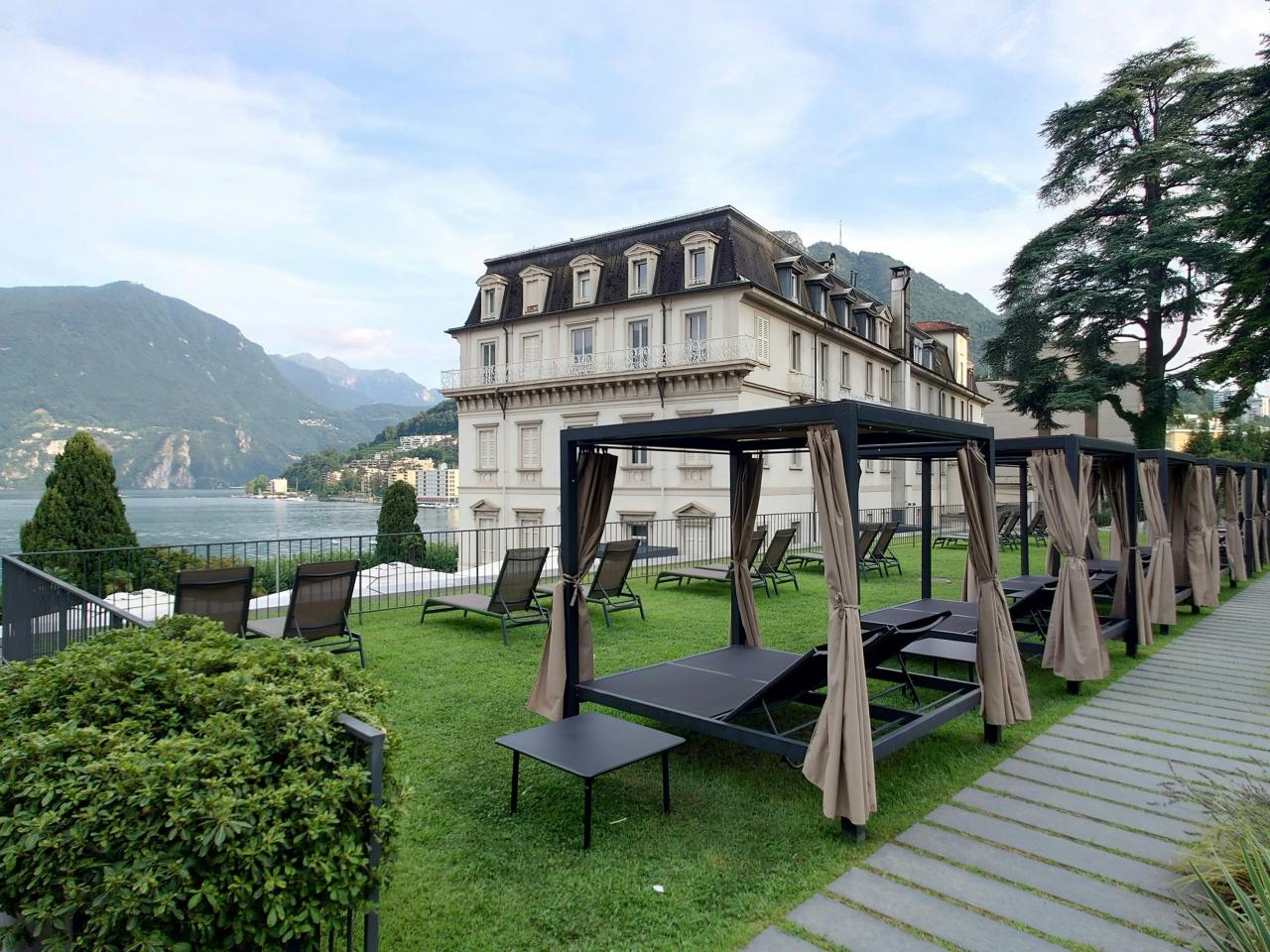
The luxury hospitality sector has evolved into a highly complex ecosystem where traditional service standards must now merge with cutting-edge financial strategies to ensure long-term profitability. In today’s global market, managing a high-end hotel property requires more than just providing a comfortable room; it involves creating an immersive, unforgettable experience that justifies premium pricing. Revenue management in this niche is an intricate dance of predicting consumer behavior, optimizing room inventory, and leveraging data-driven insights to outperform competitors.
As travel trends shift toward hyper-personalization, luxury brands must find innovative ways to capture value at every touchpoint of the guest journey. This transition from basic occupancy-focused models to holistic total revenue management allows properties to maximize gains from ancillary services like spas, fine dining, and curated local excursions. Furthermore, the digital transformation of the industry has introduced sophisticated algorithms that help managers adjust rates in real-time based on global demand and local events. Success in luxury hospitality management is ultimately defined by the ability to maintain the delicate balance between high-touch human service and high-tech operational efficiency.
This comprehensive guide will explore the essential pillars of financial optimization within the luxury lodging space, offering a roadmap for sustainable growth and brand dominance. By mastering these specialized techniques, hotel owners and operators can secure their position at the top of an increasingly crowded and demanding marketplace.
The Science Of Strategic Revenue Management

Modern luxury hospitality relies on a scientific approach to pricing known as yield management. This involves selling the right room to the right guest at the absolute best time for the highest possible price.
A. Implementing Dynamic Pricing Models
Static seasonal rates are no longer sufficient in a volatile market. Luxury hotels now use real-time data to fluctuate prices based on current demand, competitor movements, and booking velocity.
B. Forecasting Demand with Precision Analytics
Accurate forecasting allows managers to staff appropriately and set inventory limits. By analyzing historical data and upcoming local events, a hotel can predict when it can push rates to their peak.
C. Optimizing the Length of Stay (LOS)
High-end properties often implement “minimum stay” requirements during peak periods to maximize total revenue per available room. This ensures that a single-night booking doesn’t block a potentially more lucrative multi-day stay.
Enhancing The Guest Experience For Premium Value
In the luxury world, value is not found in the price but in the exclusivity and personalization of the service. Guests are willing to pay significantly more when they feel their specific needs are being anticipated.
A. Developing Hyper-Personalized Guest Profiles
Using advanced management systems to track guest preferences—from pillow types to preferred champagne—creates a sense of belonging. This attention to detail fosters intense brand loyalty and encourages repeat bookings at higher price points.
B. The Art of Upselling and Cross-Selling
Training staff to suggest relevant upgrades or add-on experiences is a key revenue driver. A simple room upgrade or a private dining reservation can significantly increase the total folio of a single guest.
C. Curating Unique Local Experiences
Modern luxury travelers want “access” rather than just “possessions.” Partnering with local artisans or experts to provide exclusive tours allows the hotel to capture a commission on high-value activities.
Total Revenue Management Beyond Room Sales
A successful luxury hotel sees every square foot of the property as a potential revenue generator. Total Revenue Management (TRM) focuses on optimizing every department, not just the front office.
A. Maximizing Profit From Fine Dining and Bars
Luxury hotels often house “destination” restaurants that attract local residents as well as guests. High-margin cocktail programs and exclusive wine cellars can contribute significantly to the property’s bottom line.
B. Wellness and Spa Profitability Strategies
Spas should be treated as independent profit centers with their own revenue management goals. Offering membership programs to locals ensures a steady stream of income even during low-occupancy periods.
C. Monetizing Meeting and Event Spaces
Luxury ballrooms and boardrooms are ideal for high-ticket corporate retreats and weddings. Strategic packaging that includes catering and audiovisual services can turn empty spaces into high-yield assets.
Leveraging Digital Marketing And Brand Presence
A luxury brand’s digital presence must reflect the same level of sophistication as its physical property. Managing your online image is crucial for attracting the right demographic of high-net-worth individuals.
A. Focusing on Direct Booking Incentives
While third-party sites bring volume, direct bookings are the most profitable for the hotel. Offering exclusive perks like early check-in or spa credits encourages guests to book through the official website.
B. High-End Content and Visual Storytelling
Luxury is sold through imagery and narrative. Investing in professional cinematography and high-resolution photography tells a story of elegance that resonates with the target audience’s aspirations.
C. Social Media and Influencer Partnerships
Collaborating with influencers who truly align with the brand’s values can provide massive reach. It’s not about the number of followers, but about the “prestige” and “authority” the influencer carries.
Operational Efficiency And Cost Control
Maximizing revenue is only half the battle; the other half is ensuring that those gains aren’t lost to operational waste. Efficient management keeps the profit margins healthy.
A. Implementing Energy-Saving Smart Technology
Autonomous climate control and LED lighting systems reduce overhead costs without affecting guest comfort. In a large luxury property, these savings can add up to hundreds of thousands of dollars annually.
B. Optimizing Labor and Staffing Schedules
Labor is usually the largest expense in hospitality. Using data to align staffing levels with actual occupancy ensures that you aren’t overstaffed during quiet periods or understaffed during rushes.
C. Strategic Procurement and Vendor Management
Bulk purchasing and long-term contracts for luxury amenities can lower costs per unit. Maintaining strong relationships with high-quality suppliers ensures consistency and prevents expensive last-minute shortages.
The Role Of Technology In Modern Hospitality
Technology should be invisible but ever-present in a luxury environment. It acts as the “silent butler” that ensures everything runs smoothly for the guest.
A. Mobile Check-In and Keyless Entry Systems
Giving guests the option to bypass the front desk provides a modern sense of autonomy. This also frees up staff to focus on more personalized “concierge” style interactions.
B. AI-Powered Guest Communication Tools
Chatbots can handle routine requests for towels or room service menus instantly. This ensures that human staff are only called for complex, high-value guest interactions.
C. Using Big Data for Predictive Maintenance
Sensors can alert engineering teams to a potential AC failure before the guest ever notices. Proactive maintenance prevents the need for expensive “emergency” repairs and guest compensation.
Sustainable Luxury As A Profit Driver
Modern travelers are increasingly making choices based on a brand’s environmental and social impact. Sustainability is no longer just a “nice to have” feature; it is a competitive necessity.
A. Eliminating Single-Use Plastics and Waste
Transitioning to high-end refillable amenities and digital newspapers reduces waste and environmental impact. This also appeals to the “conscious consumer” who values responsible luxury.
B. Locally Sourced Food and Beverage Programs
Buying from local farmers reduces the carbon footprint of the hotel’s kitchen. It also provides a unique “farm-to-table” narrative that luxury guests are often willing to pay a premium for.
C. Green Building Certifications and Incentives
Buildings that meet high environmental standards often qualify for government tax breaks. These certifications also increase the long-term resale value of the hotel property.
Managing Global Distribution Channels
How you distribute your room inventory across the internet determines your overall profitability. A balanced approach ensures you aren’t over-reliant on any single source of bookings.
A. Optimizing Global Distribution Systems (GDS)
For luxury properties, being visible to high-end travel agents is essential. The GDS remains a primary tool for corporate travel and luxury agencies that book high-value suites.
B. Strategic Use of Online Travel Agencies (OTAs)
OTAs are useful for filling rooms during slow periods, but they come with high commissions. Use them strategically as a “billboard” to gain visibility, then try to convert those guests to direct bookings for their next stay.
C. Managing Rate Parity and Integrity
Ensuring your rates are consistent across all platforms is vital for maintaining brand trust. If a guest finds a significantly cheaper rate on a random site, it devalues the prestige of the property.
Human Capital And Service Excellence
The heart of luxury hospitality is the staff. Investing in your people is the most effective way to ensure a high return on your investment over time.
A. Comprehensive Training for Emotional Intelligence
Luxury service requires the ability to read a guest’s mood and react accordingly. Staff should be empowered to go “above and beyond” to solve problems without asking for permission.
B. Fostering a Culture of Excellence and Pride
Employees who feel valued and proud of their workplace will provide better service. This leads to higher guest satisfaction scores, which correlate directly with the ability to charge higher rates.
C. Competitive Compensation for Top Talent
In the luxury sector, you get what you pay for. Offering competitive wages and benefits attracts the best professionals in the industry, reducing the high costs associated with staff turnover.
Crisis Management And Financial Resilience
The hospitality industry is sensitive to global events, from economic downturns to health crises. A resilient business model is one that can weather these storms without collapsing.
A. Developing a Robust Contingency Plan
Have a clear playbook for how the hotel will operate during a sudden drop in occupancy. This should include pre-planned cost-cutting measures that don’t permanently damage the brand.
B. Maintaining a Healthy Cash Reserve
Liquid assets allow the property to continue operations and retain key staff during difficult months. Financial stability provides the peace of mind needed to make long-term strategic decisions.
C. Flexible Booking and Cancellation Policies
In uncertain times, guests value flexibility. Offering “risk-free” booking options can actually increase revenue by encouraging people to book who might otherwise be too afraid to commit.
Analyzing Key Performance Indicators (KPIs)
To improve your revenue, you must first be able to measure it accurately. Following the right metrics allows you to see exactly where your strategy is succeeding or failing.
A. Revenue Per Available Room (RevPAR)
This is the “gold standard” of hospitality metrics. It combines occupancy and rate to give you a clear picture of how effectively you are utilizing your primary asset.
B. Total Revenue Per Available Room (TRevPAR)
Because luxury hotels have so many income streams, TRevPAR is often a more accurate measure of health. It includes spending in restaurants, spas, and other outlets.
C. Net Operating Income (NOI) and EBITDA
Ultimately, a hotel is a business that must generate profit. Tracking your bottom-line earnings ensures that your high revenue isn’t being completely swallowed by high expenses.
Conclusion

Maximizing revenue in luxury hospitality is a continuous process of refinement and adaptation. The modern hotel manager must be as comfortable with data analytics as they are with guest relations. True luxury is defined by the ability to provide an experience that cannot be found anywhere else. Technology acts as a powerful multiplier for human service but should never replace it entirely. Sustainability and social responsibility are now core components of a prestigious brand’s identity.
Financial success comes from looking at the entire property as a series of interconnected profit centers. Investing in staff training is the surest way to guarantee the service quality that luxury guests demand. Direct booking strategies are essential for protecting profit margins from high third-party commissions. Consistency across all touchpoints is what builds the trust and loyalty necessary for premium pricing. The industry will continue to face new challenges, but a resilient strategy ensures long-term survival.
Data-driven decision making allows you to stay ahead of market trends rather than reacting to them. High-end marketing must tell a story of exclusivity and aspiration to attract the right demographic. Operational efficiency ensures that your high top-line revenue translates into actual bottom-line profit. Every interaction with a guest is an opportunity to add value and increase the total revenue of the stay. The future of luxury hospitality belongs to those who can master the art of “invisible” technology. Start your journey toward hospitality excellence by auditing your current revenue management practices today.