
Introduction: The Sanctuary of Hotel Wellness
The hotel spa is no longer a peripheral amenity but a central, often decisive factor in the luxury travel experience, promising an essential escape from the stresses of daily life and the fatigue of travel. For many guests, stepping into the hushed, aromatic environment of a high-end hotel spa is the culmination of their vacation goal: pure, unadulterated relaxation and rejuvenation. However, the extensive menus offered by modern spas—featuring a bewildering array of massages, body wraps, hydrotherapies, and specialized rituals—can often overwhelm the inexperienced guest, leading to confusion about which treatment truly aligns with their needs or when is the optimal time to book it. Maximizing the benefits of this sanctuary requires moving beyond simple assumptions and understanding the precise goals and methodologies behind each therapy.
A successful spa experience is one where the chosen treatment perfectly addresses a specific physical or mental state, whether it is relieving muscle tension from a long flight, hydrating skin after sun exposure, or simply achieving deep mental tranquility. Choosing incorrectly—for instance, opting for a stimulating deep tissue massage when the body demands gentle relaxation—can compromise the entire therapeutic objective. Furthermore, the timing of the appointment, relative to arrival, activity, or departure, significantly influences the body’s ability to absorb and utilize the treatment’s benefits, affecting everything from sleep quality to muscle recovery.
Therefore, the discerning traveler needs a comprehensive guide to decode the terminology, understand the physiological effects of different treatments, and master the logistical art of spa booking. This knowledge transforms the guest from a passive consumer into an active participant in their own wellness journey. This extensive guide will dissect the essential differences between the most common hotel spa treatments, detail the specific bodily conditions each therapy is best suited to address, and provide strategic advice on when to book appointments to maximize their therapeutic impact, ensuring a truly profound and restorative experience.
1. Decoding Massage Therapies: Pressure and Purpose
Massage is the cornerstone of any spa menu, but the term encompasses a wide range of techniques, pressures, and goals. Selecting the right massage depends entirely on whether the guest seeks relaxation, muscle repair, or therapeutic relief.
Understanding the difference between Swedish and Deep Tissue is essential for a productive session.
A. The Classic Swedish Massage
The Classic Swedish Massage is the foundation of relaxation therapy. It utilizes long, flowing, gentle strokes, kneading, and circular movements, designed to promote overall physical relaxation and improve circulation.
This massage is ideal for first-time spa visitors or anyone seeking pure stress relief without intense pressure or therapeutic focus.
B. Deep Tissue and Sports Massage
Deep Tissue and Sports Massage involve concentrated, sustained pressure targeting the deepest layers of muscle and connective tissue. The purpose is to address chronic muscle tension, knots, and aid in post-exercise recovery.
These massages are often more intense and can cause temporary soreness, making them unsuitable for simple relaxation seekers.
C. Aromatherapy Massage
The Aromatherapy Massage combines light-to-medium pressure Swedish techniques with the therapeutic use of highly concentrated essential oils. The choice of oil dictates the treatment goal (e.g., lavender for calming, citrus for energizing).
The oils penetrate the skin and also affect the nervous system through inhalation, enhancing mental and emotional effects.
D. Hot Stone Therapy
Hot Stone Therapy utilizes smooth, heated stones placed on specific points of the body (like the spine and palms) and also used by the therapist to massage. The heat promotes deep muscle relaxation without extreme manual pressure.
This treatment is deeply warming and is excellent for soothing stiff joints and improving circulation in cold environments.
E. Reflexology and Specialized Focus
Reflexology and Specialized Focus treatments concentrate primarily on the feet, hands, and ears. The technique applies pressure to specific points believed to correspond to organs and systems throughout the body.
It is a non-invasive way to promote overall balance, energy flow, and localized tension relief.
2. Body Treatments: Skin and Detoxification
Beyond muscular relief, body treatments focus on the largest organ—the skin—offering exfoliation, hydration, and detoxification benefits that contribute to overall well-being and appearance.
These treatments are particularly beneficial when traveling to different climates or after prolonged sun exposure.
F. Body Scrubs and Exfoliation
Body Scrubs and Exfoliation treatments involve the application of a grainy product (such as sea salt, sugar, or coffee grounds) to remove dead skin cells. This is followed by a shower and a light application of moisturizer.
The primary purpose is to refresh and smooth the skin, making it more receptive to hydration products.
G. Hydrating Body Wraps
Hydrating Body Wraps involve applying a rich, moisturizing cream or gel (often containing ingredients like aloe, shea butter, or mineral mud) before the body is wrapped tightly in thermal blankets.
The wrapping increases body temperature, forcing the skin to absorb the hydrating ingredients deeply, making it perfect for sun-damaged or dehydrated skin.
H. Detoxifying Mud and Algae Wraps
Detoxifying Mud and Algae Wraps use nutrient-rich natural materials to draw impurities and toxins from the skin. The treatment aims to stimulate the metabolic system and promote purification.
Guests should expect to feel a tingling sensation, and a deep sense of cleanliness afterward.
I. Water Therapy (Hydrotherapy)
Some spas feature Water Therapy (Hydrotherapy), using specialized tubs, Vichy showers, or contrast showers (alternating hot and cold water). Water is utilized to stimulate circulation, relax the muscles, and soothe the nervous system.
This therapy is often used as a precursor or follow-up to other treatments to maximize their effectiveness.
3. Optimizing the Timing: When to Schedule

The scheduling of a spa treatment is a critical factor influencing its effectiveness. The goal of the treatment should dictate whether it is booked immediately upon arrival, mid-stay, or just before departure.
Treatments are tools, and timing their use maximizes their specific benefit.
J. Immediately Upon Arrival (Day One)
Book a light, Immediately Upon Arrival (Day One) treatment, such as a Swedish or aromatherapy massage. Travel is inherently stressful and stiffening, making a gentle massage essential.
This addresses travel fatigue, improves blood circulation after a long flight, and initiates the “vacation mode” mindset.
K. The Day Before Activity (Pre-Exertion)
If planning strenuous activity (like hiking or surfing), schedule a treatment The Day Before Activity (Pre-Exertion). A light stretching or flexibility-focused massage can prepare the muscles and reduce the risk of injury.
Pre-exertion treatments focus on limbering the body rather than deep repair.
L. Post-Activity Recovery (Mid-Stay)
The ideal time for a Deep Tissue or Sports Massage is Post-Activity Recovery (Mid-Stay), immediately following intense physical exertion. The treatment helps break down lactic acid, reducing delayed onset muscle soreness (DOMS).
Ensure you drink plenty of water afterward to flush toxins released during the session.
M. The Day Before Departure (Pre-Flight)
Book a light, hydrating wrap or a gentle reflexology session The Day Before Departure (Pre-Flight). This promotes deep relaxation, ensuring a good night’s sleep before the stress of traveling home.
Avoid intense massages right before a flight, as the pressure can exacerbate post-massage soreness during sitting.
N. Scheduling Complex Facial Treatments
For aesthetic reasons, Scheduling Complex Facial Treatments is best done early in the trip. Advanced facials can sometimes cause temporary redness or slight irritation.
Allow a full day or two for the skin to calm and fully absorb the treatment’s benefits before any important events.
4. Pre-Treatment and Post-Treatment Etiquette
A successful spa visit requires guest participation through proper preparation and respectful conduct. The right etiquette enhances the therapeutic effect and shows respect for the therapist.
Proper preparation ensures the therapist can maximize the session time effectively.
O. The Consultation Stage
Treat The Consultation Stage seriously. Be honest and specific with the therapist about your health history, problem areas, and preferred pressure level. Do not minimize chronic pain or recent injuries.
The therapist relies on this information to customize the session safely and effectively.
P. Cleanliness and Hygiene
Cleanliness and Hygiene are paramount. Always shower immediately before a massage or body wrap. Removing lotions, perfumes, and perspiration maximizes the benefit of the oils and products used.
This is a sign of basic courtesy to the therapist.
Q. Communicating During the Session
Communicating During the Session is expected. If the pressure is too light, too intense, or if the room temperature is uncomfortable, speak up immediately.
Do not suffer silently; the therapist wants your feedback to adjust the technique and maximize your comfort.
R. Post-Treatment Hydration
Post-Treatment Hydration is critical. Therapies, especially deep tissue and wraps, release toxins and can be dehydrating. Drink ample water immediately following your session to aid in flushing toxins and recovery.
Many spas offer complimentary herbal tea or water for this purpose.
S. Allowing for Recovery Time
Always Allowing for Recovery Time after a session. Do not rush immediately to a meeting or an intense workout. Spend 15-30 minutes relaxing in the quiet room or sauna to allow the body and mind to fully absorb the benefits.
Rushing undoes the calming effects of the treatment.
5. Booking and Value Maximization Strategies
Spa services are a premium cost, making strategic booking and smart utilization of hotel packages essential for maximizing value and ensuring access to the best slots.
Treat spa booking with the same planning rigor as travel arrangements.
T. Booking Well in Advance
The highest-demand slots (mornings and late afternoons) require Booking Well in Advance, often at the same time you book your hotel stay. Waiting until arrival often leaves only undesirable times.
Early booking ensures you get the treatment you want, when your body needs it most.
U. Utilizing Spa Packages
Maximize value by Utilizing Spa Packages. These packages often combine multiple treatments (e.g., a massage, a scrub, and a facial) at a lower bundled price than booking each service individually.
They provide a comprehensive, full-body therapeutic journey.
V. Checking for Off-Peak Discounts
If your schedule is flexible, Checking for Off-Peak Discounts can save money. Many spas offer discounts for booking mid-day slots (11:00 AM to 3:00 PM) on weekdays when demand is lower.
This provides the same high-quality service at a better price point.
W. The Tipping Protocol
Clarify The Tipping Protocol at the hotel spa. In many regions, a service charge is automatically added to the bill. If not, a customary 15%–20% tip for good service is standard, usually given directly to the therapist or at the desk.
Check if the tip can be added to the room charge for convenience.
X. Utilizing Free Amenities
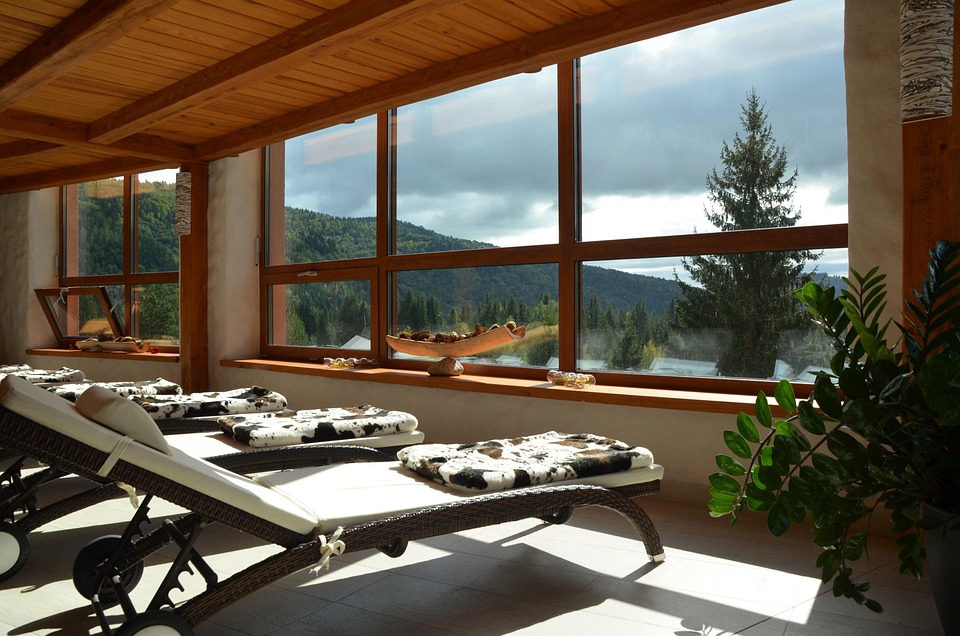
Do not overlook Utilizing Free Amenities included with your booking. Access to the hotel spa often includes complimentary use of the sauna, steam room, plunge pools, and quiet relaxation lounges, which enhances the overall experience.
Arrive 30 minutes early to enjoy these facilities before your treatment begins.
Conclusion: A Strategic Investment in Wellness
The modern hotel spa represents an essential, strategic investment in personal wellness, demanding that travelers move beyond guesswork to embrace a calculated approach to therapeutic selection and timing. Successful utilization hinges on a clear understanding of the purpose and pressure of each massage—knowing that a gentle Swedish massage is for deep relaxation while a Deep Tissue treatment is for strenuous muscle recovery.
Crucially, the timing of the appointment must align with the travel itinerary, whether it is an immediate arrival massage to combat jet lag or a post-activity session to aid muscle repair. By adhering to proper pre-treatment etiquette, communicating clearly with the therapist, and employing smart booking strategies like utilizing spa packages, the guest ensures the seamless transformation of a simple hotel service into a profound, restorative, and highly beneficial therapeutic journey.