The global landscape of premium lodging has transitioned from a service-based sector into a high-stakes discipline of experiential engineering and institutional-grade operational scaling. We are currently navigating a high-velocity era where the definition of luxury has shifted from gold-plated aesthetics to the seamless orchestration of time, privacy, and hyper-personalized emotional resonance. This evolution in the hospitality ecosystem requires a sophisticated understanding of revenue management, psychographic profiling, and the structural discipline needed to maintain service consistency across diverse geographical footprints. For the modern hotelier or hospitality executive, mastering the mechanics of luxury management is a fundamental pillar for securing market dominance and building a brand that survives the volatility of the travel industry.
Achieving elite status in this domain involves more than just polite staff; it requires a radical re-imagining of the guest journey, the integration of predictive technology, and the systematic application of high-efficiency operational protocols. This guide is designed to deconstruct the complex layers of the modern hospitality world, providing a comprehensive roadmap for transforming a physical property into a high-performance engine of guest loyalty and financial growth. By focusing on the synergy between technical precision and raw human warmth, you can build a hospitality legacy that thrives by anticipating the needs of the most demanding global travelers. Let us explore the pillars of hospitality sovereignty and discover how to build a legacy of service excellence that flourishes in an era of rapid industrial acceleration.
The Foundation of Luxury Service Architecture
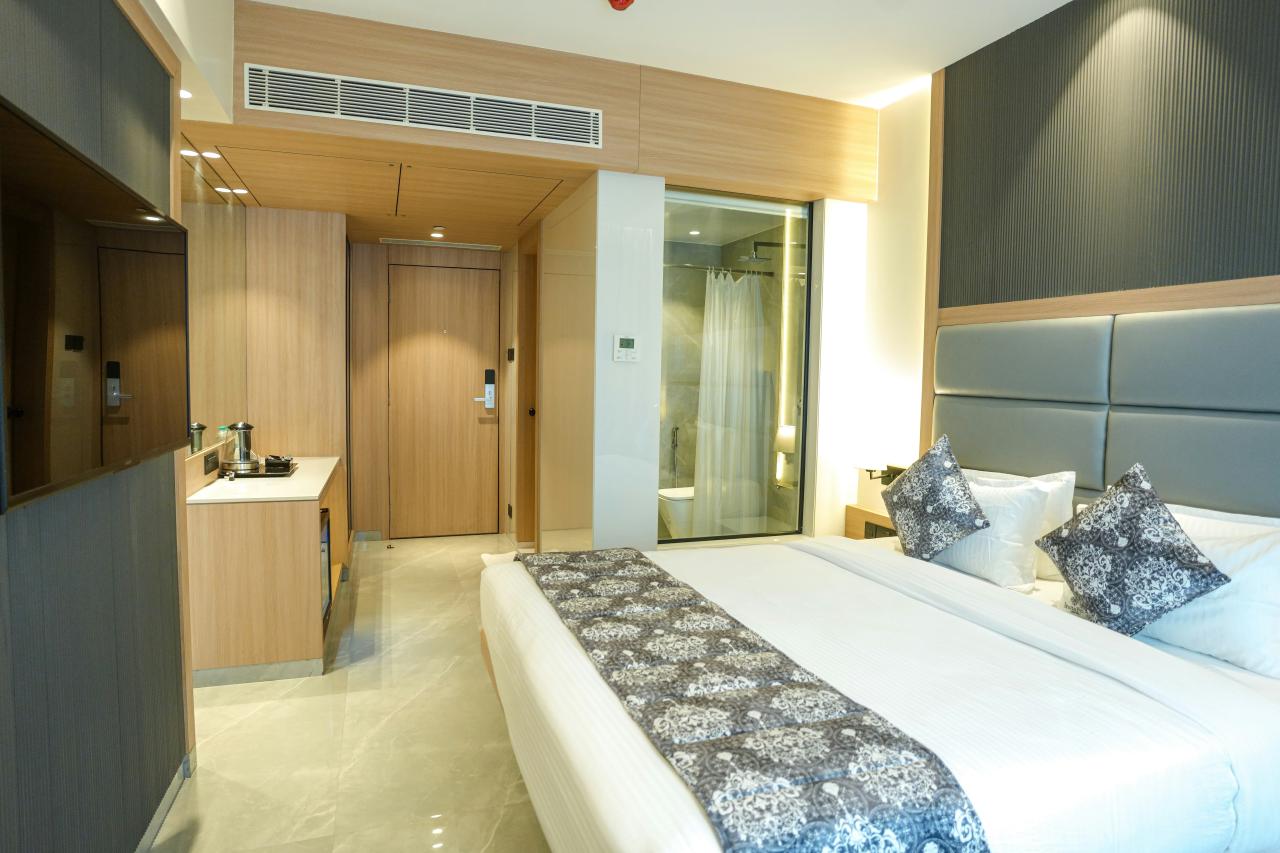
Building a resilient hospitality brand begins with a structural approach to how service is conceived and delivered at the micro-level. You must treat every guest interaction as a critical node in a larger network of brand equity.
A. Defining the Anatomy of High-Touch Service
The bedrock of luxury is the ability to provide invisible assistance that anticipates a guest’s needs before they are voiced. By utilizing detailed guest preference profiles, staff can tailor everything from room temperature to specific dietary requirements. This level of detail provides the physical foundation for a truly personalized stay.
B. The Role of Anticipatory Psychology in Staff Training
Elite hospitality management involves training employees to read subtle non-verbal cues and emotional states. This process allows the team to adjust their service style in real-time, whether the guest desires total privacy or deep social engagement. Understanding the human nervous system is a technical requirement for high-level concierge work.
C. Consistency Protocols and Standard Operating Procedures (SOPs)
Luxury cannot be an accident; it must be a repeatable system. Implementing rigorous SOPs ensures that a guest receives the same “signature experience” whether they are in London, Tokyo, or New York. Consistency is the primary marker of a professional-grade hospitality organization.
Advanced Frameworks for Revenue Optimization
Scaling a hotel business requires a different set of financial metrics than a standard service business. You must look at the long-term value of your inventory and your guest relationships.
A. Dynamic Pricing and Yield Management Logic
Revenue management is the science of selling the right room to the right person at the right time. By using AI-driven algorithms to predict demand spikes, hotels can maximize their Average Daily Rate (ADR) without sacrificing occupancy. This mathematical precision is the “engine room” of hotel profitability.
B. Ancillary Revenue Streams and Total RevPAR
True scaling happens when you look beyond the room rate. Monetizing high-end dining, spa services, and exclusive excursions increases the Total Revenue Per Available Room (TRevPAR). Each touchpoint is an opportunity to add value and capture a larger share of the guest’s wallet.
C. Loyalty Ecosystems and Customer Lifetime Value (CLV)
The most profitable guest is the one who returns. Building a sophisticated loyalty program that rewards emotional connection rather than just “points” ensures a steady stream of recurring revenue. Tracking CLV allows management to justify the high cost of personalized guest acquisition.
Technical Optimization of Hospitality Operations
The way you manage the hidden “back-of-house” operations determines the scalability and sustainability of your hotel. You must eliminate every point of friction in the operational path.
A. Integrated Property Management Systems (PMS)
A modern hotel requires a unified digital brain that connects reservations, housekeeping, and finance in real-time. This digital infrastructure prevents double-bookings and ensures that rooms are cleaned and inspected with maximum efficiency. A seamless PMS is the backbone of operational sovereignty.
B. Smart Room Technology and Energy Management
Integrating IoT sensors allows the hotel to reduce energy costs by automatically adjusting lights and AC when a room is unoccupied. These systems also allow guests to control their environment via their own devices. Technology should enhance the luxury experience without making it feel cold or institutional.
C. Supply Chain Logistics and Quality Procurement
Maintaining a luxury standard requires a consistent supply of premium linens, toiletries, and high-quality food. Building a resilient supply chain with local and international partners ensures that the hotel never runs out of its “signature” items. Quality control at the source is a primary requirement for brand integrity.
Cultivating High-Performance Service Cultures
A single luxury property is a start, but a global brand requires a community of employees dedicated to the art of service. You must build an environment where staff feel empowered to act as brand ambassadors.
A. The Concept of Employee Empowerment and Agency
In the best hotels, staff are given a discretionary budget to solve guest problems on the spot. This agency removes the need for bureaucratic delays and allows for “wow moments” that go viral. Empowerment is the fastest way to build a culture of excellence.
B. Emotional Intelligence (EQ) as a Hiring Priority
Technical skills can be taught, but genuine empathy is a trait. Prioritizing EQ in the recruitment process ensures that your team can handle high-pressure situations with grace. A high-EQ team is a defensive shield against negative guest reviews.
C. Continuous Mentorship and the “Internal School” Model
The best hospitality groups operate like universities. By providing ongoing training in wine knowledge, cultural etiquette, and conflict resolution, you keep your staff engaged and sharp. Longevity in staff leads to longevity in guest relationships.
Navigating the Economics of Hospitality Scaling
Scaling a luxury brand across different markets requires a deep understanding of local nuances and global economic trends.
A. Asset-Light vs. Asset-Heavy Growth Strategies
Many modern brands grow by managing properties owned by others rather than buying the real estate themselves. This “asset-light” model allows for faster global expansion with less financial risk. Understanding which model fits your brand’s DNA is a critical strategic choice.
B. Market Penetration and Regional Psychographics
What represents luxury in Paris may be different from what represents luxury in Dubai. Successful scaling involves adapting the brand to local tastes while maintaining its core identity. This balance of “global and local” is the key to winning international market share.
C. Strategic Partnerships and Co-Branding
Partnering with luxury car brands, high-end fashion houses, or exclusive credit cards can introduce your hotel to a new pool of wealthy clients. These synergies amplify the brand’s prestige and provide “halo” effects that increase perceived value. Partnerships are a primary catalyst for rapid growth.
The Neurobiology of the Guest Experience
Mastering the hospitality industry requires a shift in how we think about the guest’s biological state. You must understand the physiological triggers that lead to a sense of “home.”
A. The Role of the Vagus Nerve in Guest Relaxation
A luxury stay should be a period of intense nervous system recovery. Using biophilic design, soft textures, and specific acoustic frequencies can trigger a “parasympathetic” state. When a guest feels biologically safe, they are more likely to spend and return.
B. Dopamine Loops and the Element of Surprise
The human brain rewards novelty. Small, unexpected gifts—known in the industry as “amenities”—trigger dopamine release and create lasting memories. These “micro-gestures” are the most cost-effective way to drive guest satisfaction scores.
C. The Psychology of the First and Last Impression
The “Peak-End Rule” suggests that people judge an experience based on its most intense point and its conclusion. Mastering the check-in and check-out process is a technical requirement for a positive overall review. A flawless departure is the final seal on a luxury experience.
Managing Global Hospitality Operations
Managing a hotel brand that operates across multiple time zones requires a massive logistical and digital effort.
A. Global Distribution Systems (GDS) and OTA Management
A hotel must be visible on every platform where guests book travel. Managing the relationship with Online Travel Agencies (OTAs) requires a delicate balance of visibility and cost control. Direct booking incentives are the primary tactic for protecting your margins.
B. Crisis Management and Brand Resilience
In a world of global travel disruptions, a hotel must have a robust plan for safety and communication. Whether it’s a natural disaster or a health crisis, the ability to protect guests and maintain operations is the ultimate test of management. Resilience is a core part of the luxury promise.
C. Data Privacy and High-Security Guest Handling
Luxury guests often include high-profile individuals who require absolute privacy and physical security. Implementing military-grade data protection and discrete security protocols is a primary requirement for elite hospitality. Trust is the most valuable currency in the luxury market.
The Future of Sustainable Hospitality
As the industry matures, the definition of luxury is increasingly being tied to environmental and social responsibility.
A. Zero-Waste Kitchens and Circular Food Systems
Luxury dining is moving away from excess and toward precision. Implementing “farm-to-table” systems and zero-waste protocols reduces costs and appeals to the conscious traveler. Sustainability is becoming the new “gold standard” of prestige.
B. Regenerative Architecture and Eco-Luxury Design
The hotels of the future will not just “do less harm” but will actively improve their local environment. This includes using carbon-sequestering materials and restoring local biodiversity. A hotel that gives back to the earth is a hotel that will survive the next century.
C. Social Responsibility and Community Integration
A luxury hotel should be an asset to its local community, not an isolated island. By hiring locally and supporting local artisans, the hotel gains “social license” to operate. Authentic community connection is a primary driver of the “experiential” travel trend.
Conclusion
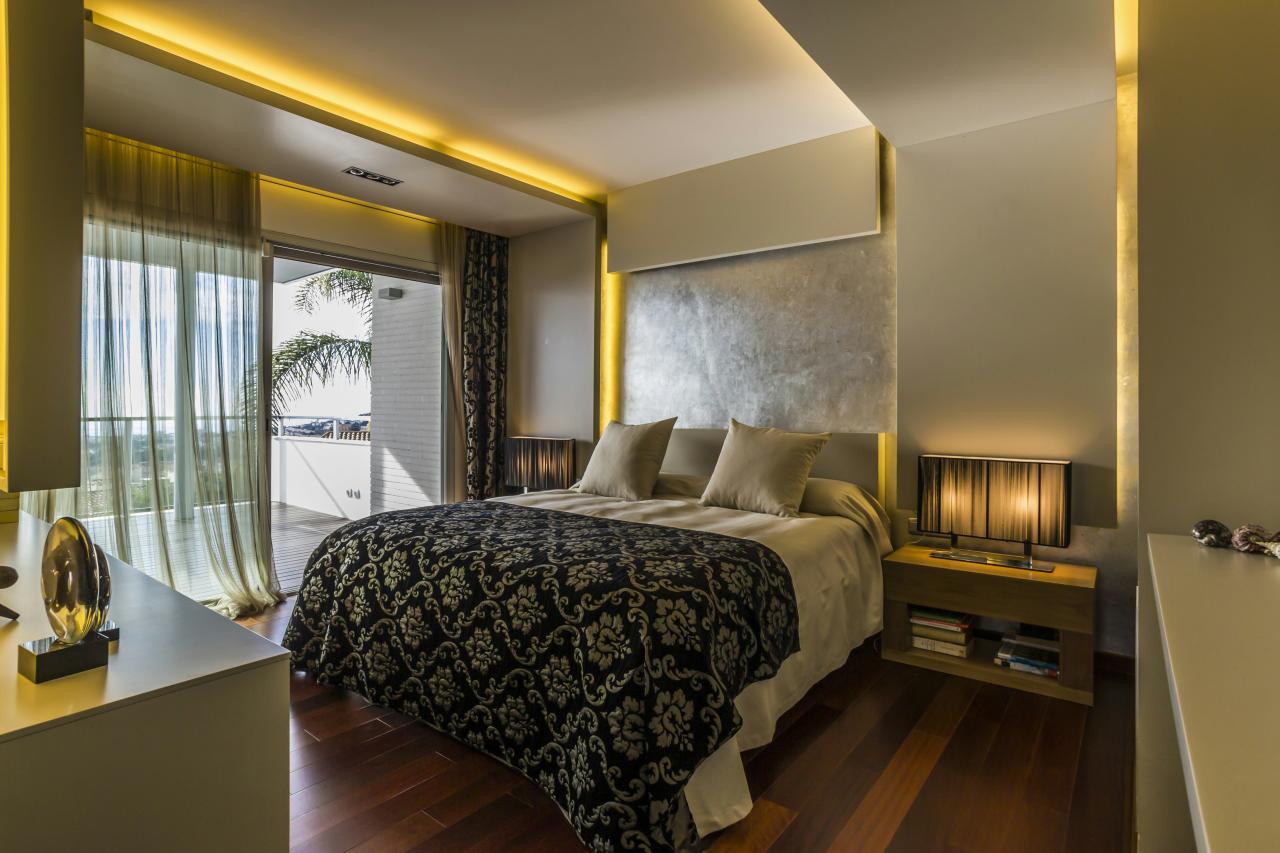
Strategic luxury hospitality management is the primary key to achieving industrial sovereignty. This journey requires a disciplined balance of high-level empathy and rigorous financial data. Every hotel executive must take full responsibility for the governance of their own brand standards. The ability to scale a service model offers a revolutionary way to build a global legacy. Systemic complexity should be embraced as the mechanism that creates a massive competitive advantage. A successful hospitality brand is built on a foundation of operational consistency and guest trust. Continuous learning is the only way to keep pace with the rapid innovation of travel technology. Emotional intelligence is more important than technical skill when leading a luxury service team.
Rigorous documentation of guest preferences ensures that your service remains a permanent asset. The shift toward a bio-optimized guest experience is an unstoppable force in the modern economy. By following these strategic blueprints, you position your property on the right side of the hospitality revolution. Hospitality is not just about a bed but about the freedom and peace that a perfect stay provides. The systems provided here are your roadmap to navigating the complex world of luxury lodging. Focus on the guest, ignore the superficial trends, and stay committed to your long-term vision. True hospitality sovereignty is the ultimate goal of every elite leader in the hotel industry.
The future of travel is personalized, sustainable, and ready for those brave enough to build it. The road to prosperity is paved with warmth, data, and the courage to serve others at the highest level. Maintaining your standards is a form of respect for the guests who provide your success. Success is measured by the loyalty of your guests and the health of your service culture. Always remember that in the world of luxury, the smallest detail is often the most important. The architecture of your service is the most valuable gift you can give to the global traveler. Take control of your hospitality destiny today by mastering the art of the luxury management system.